Buyers Guide: Selecting Commercial Vinyl Planks for Hospitals
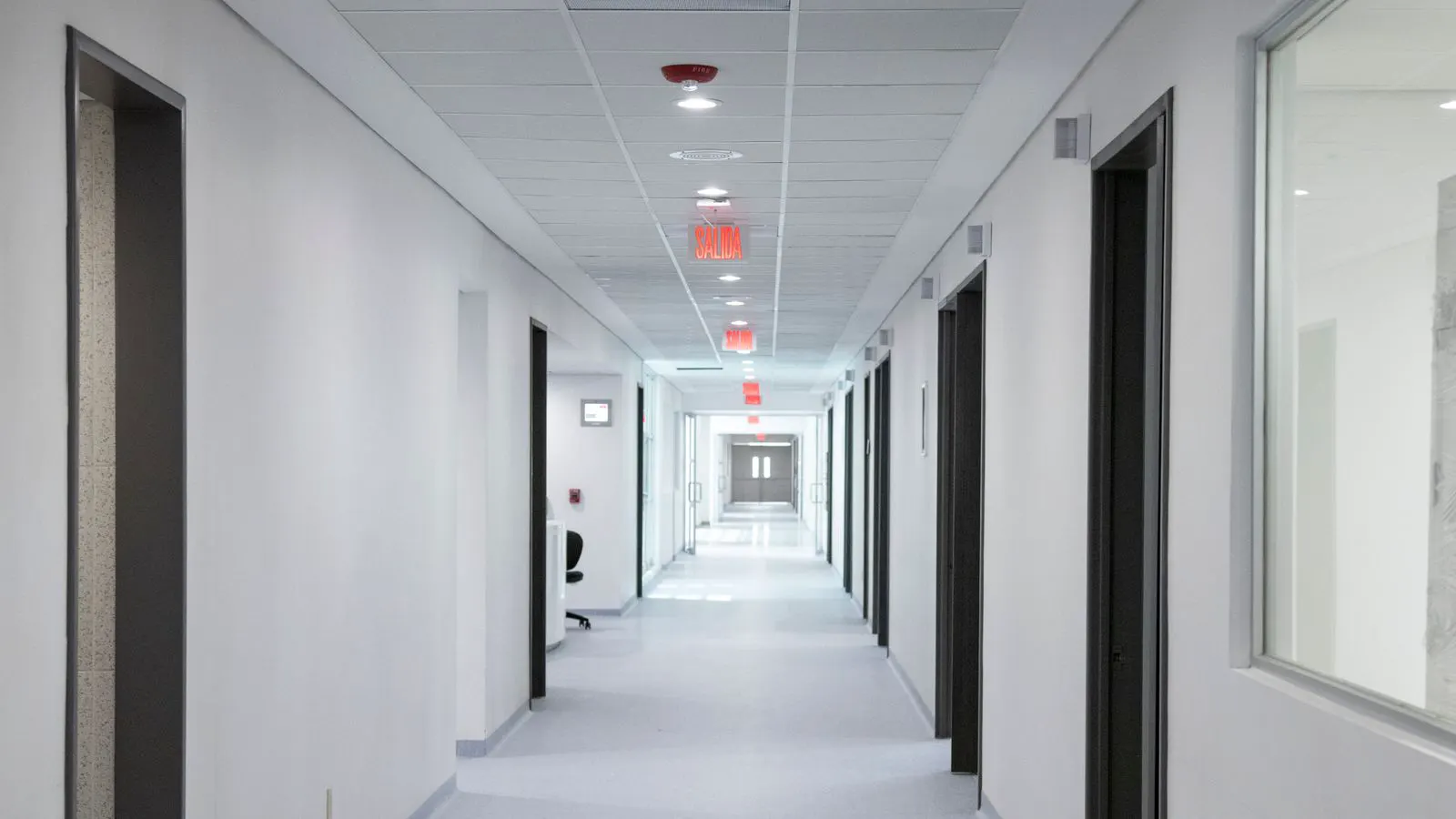
Selecting commercial vinyl planks for hospitals requires a focus on hygienic flooring performance, slip resistance, and impact resistance. This guide outlines the specific criteria, standards, and product characteristics buyers must evaluate to ensure a durable and safe healthcare environment.
- Prioritize sealed, non-porous surfaces to meet hygienic flooring requirements in clinical areas.
- Verify impact resistance and slip resistance ratings for high-traffic corridors and patient rooms.
- Check installation details like locking mechanisms and underlayment to maintain a stable, flat surface.
- Review warranty terms and sample testing protocols before committing to a large-scale specification.
Why Hospital Flooring Demands a Different Approach
Choosing flooring for a hospital environment differs significantly from selecting materials for commercial offices or residential spaces. Hospitals present a constant stream of liquids, medical waste, and heavy equipment that puts specific stress on the surface. The selection process must focus on how the material performs under these conditions, not just on aesthetics or initial cost.
Commercial vinyl planks offer a flexible solution because they can be engineered to handle these demands. However, not all vinyl products are created equal. A buyer must look beyond the product sheet and understand the underlying structure, surface chemistry, and installation method. The goal is to find a balance between durability, ease of maintenance, and the comfort of the people who use the space daily.
This guide breaks down the key factors to consider when selecting commercial vinyl planks for hospitals. It covers the technical specifications, installation considerations, and the documentation you need to request from suppliers.
Surface Chemistry and Hygienic Performance
The most critical feature of any healthcare flooring is its surface. In a hospital, the floor is the first barrier between potential pathogens and the patient. You need a surface that is non-porous, smooth in its protection, and easy to clean.
Look for materials with a sealed top layer. In vinyl products, this is often a wear layer or a urethane finish. This layer should be thick enough to resist abrasion from foot traffic and cleaning equipment. A thicker wear layer generally means the floor will last longer and resist scratches from wheeled carts.
Moisture resistance is another key factor. Hospitals are wet environments. Spills of water, saline, or other medical fluids happen constantly. The flooring must not absorb these liquids. If the subfloor gets wet, it can lead to swelling, delamination, or mold growth. Specify products with a high moisture barrier rating. Ask the supplier for data on liquid resistance and how the product performs when exposed to common hospital disinfectants.
Structural Integrity and Impact Resistance
Hospital corridors see heavy traffic from staff, patients, and equipment. Wheelchairs, stretchers, and medical carts have small, hard wheels that concentrate force in a small area. This creates high point stress on the floor.
Rigid vinyl planks and SPC products are often chosen for this reason because they have a harder core than traditional LVT. The core material, often a mix of stone powder and polyvinyl chloride, provides rigidity. This rigidity helps the floor resist denting and indentation from heavy objects.
However, rigidity can have a downside. It can feel cold and hard underfoot. For patient comfort, especially in waiting areas or rehabilitation zones, you may want to add a resilient underlayment. This layer adds a cushion, reducing the impact on the patient’s joints and the noise levels in the corridor. Check the sound reduction rating of the product and the underlayment to ensure it meets your facility’s noise control goals.
Slip Resistance and Safety
Safety is a top priority in any healthcare setting. A slip on a wet floor can lead to serious injury for both patients and staff. The coefficient of friction (COF) is the standard measure for slip resistance.
Look for products with a textured surface or a specific emboss pattern. A smooth, glossy surface is a liability in a wet environment. Many hospital-grade vinyl planks feature a matte finish with a low-gloss texture. This texture provides grip without being rough to the touch.
You should request a COF test report from the supplier. The test should be performed according to an accepted industry standard. It will show how the floor performs when wet and dry. Higher COF values generally indicate better slip resistance, but the test conditions matter. Ensure the test simulates the types of fluids and foot traffic you will encounter in your facility.
Installation and Subfloor Preparation
Even the best vinyl plank will fail if installed on a poor subfloor. The subfloor must be flat, dry, and structurally sound. Any unevenness will cause the planks to rock, creating gaps and accelerating wear.
The locking mechanism is crucial for the longevity of the floor. Click-lock systems are common because they allow for a floating installation. This means the floor is not glued down, which can simplify future repairs or replacements. However, a floating floor requires a good underlayment to prevent noise and movement.
Check the subfloor flatness requirements. Suppliers usually specify a maximum allowable deviation over a certain distance. If the subfloor is out of tolerance, you may need to level it with a self-leveling compound before installation. This is a labor-intensive and costly step. It is better to address it before the floor goes down than to deal with it later.
Durability and Warranty
The warranty is a reflection of the manufacturer’s confidence in the product. But read the fine print. What is covered and what is excluded? Some warranties cover the wear layer, while others cover the core. Others exclude damage from improper installation or subfloor issues.
Commercial vinyl planks for hospitals are typically warranted for longer periods than residential products. Look for warranties that cover wear and tear under commercial use. Ask about the conditions that would void the warranty. For example, does the use of specific cleaning chemicals void the coverage? Does the warranty require the use of a specific underlayment?
Also, consider the availability of replacement products. If you need to replace a small section of the floor in five years, will the manufacturer still have the same color and pattern available? Ask about the long-term availability of the product. This is a common pitfall that can lead to mismatched repairs.
Evaluation Criteria Table
Use this table to compare products and suppliers.
| Criterion | What to look for | Why it matters |
|---|---|---|
| Wear Layer Thickness | Minimum 18-25 microns or higher | Resists abrasion and extends service life in high-traffic areas. |
| Surface Finish | Matte, textured, or low-gloss | Reduces glare and improves slip resistance when wet. |
| Moisture Barrier | High resistance to liquid absorption | Prevents subfloor damage and mold growth in wet environments. |
| Impact Resistance | Hard core (SPC or rigid vinyl) | Withstands heavy equipment and point loads without denting. |
| COF Rating | Tested and rated for wet/dry conditions | Ensures slip resistance and patient/staff safety. |
| Warranty Terms | Commercial use coverage, long-term availability | Protects your investment and ensures future replacement options. |
Decision Checklist
Before you sign off on a specification, run through this checklist.
- Sample Testing: Request large samples and install them on a test area. Subject them to a 48-hour wear test with typical hospital cleaning fluids. Check for any discoloration or damage.
- Subfloor Verification: Confirm the subfloor meets the flatness and moisture requirements. Do not skip this step.
- Supplier Documentation: Obtain the technical data sheet, COF test report, and warranty document. Verify that the product is certified for commercial healthcare use.
- Installation Plan: Review the installation method with the contractor. Ensure they understand the specific requirements for underlayment and locking mechanisms.
- Long-Term Availability: Confirm with the supplier that the product will be available for at least the expected lifespan of the building.
Conclusion
Selecting commercial vinyl planks for hospitals is a technical process. It requires a deep understanding of the environment and the specific demands it places on the flooring. By focusing on hygienic performance, structural integrity, and safety, you can make a choice that serves the facility for years. The key is to verify the product specifications and to test the material in real-world conditions before committing to a large-scale purchase.
Frequently asked questions
Can I use residential vinyl planks in a hospital?
No. Residential planks are not designed to handle the heavy traffic, moisture, and cleaning chemicals common in hospitals. They will wear out quickly and may fail to meet safety standards.
What is the difference between SPC and rigid vinyl in this context?
SPC (Stone Plastic Composite) is a type of rigid vinyl with a harder core. Both are suitable for hospitals, but SPC often offers better dimensional stability and impact resistance.
How do I clean hygienic flooring without damaging it?
Use a neutral pH cleaner and a microfiber mop. Avoid abrasive pads or harsh chemicals that can strip the wear layer. Always follow the manufacturer's cleaning guidelines.
Do I need a specific underlayment?
Yes. A high-quality underlayment is critical. It provides a moisture barrier, adds sound reduction, and ensures a smooth, flat surface for the planks.
How long does commercial vinyl flooring last in a hospital?
With proper installation and maintenance, it can last 15-20 years. The wear layer thickness and the quality of the core material are the main factors in this lifespan.