Troubleshooting: Click-Lock Flooring Gaps and Clicking Sounds
Visible gaps and clicking sounds in click lock systems usually trace to subfloor issues, incorrect expansion gaps, or damaged locking tongues. This guide lists symptoms
Practical flooring guides for specifiers and buyers

This site answers the questions buyers face when selecting flooring materials. It covers product types such as vinyl, SPC, laminate, and engineered wood, and explains how to compare specifications, check quality, and evaluate supplier capability. Content is written to support practical decisions, not just product selection.
The pages are organized around the decisions buyers actually make. You can review installation methods, maintenance requirements, certification documents, cost structures, and minimum order quantities. Each section uses plain language and focuses on the trade-offs that affect project success, from material performance to lead time management.
Start with the stage of the sourcing process you are in.
Explore product types, materials, and performance details for vinyl and SPC flooring in commercial and residential spaces.
Understand laminate construction, wear layers, core options, and practical guidance for selecting durable laminate boards.
Review engineered wood panel structures, veneer options, stability, and applications for professional buyers.
Get practical guidance on subfloor preparation, installation methods, and long-term care for various flooring systems.
Learn about common industry standards, certification schemes, and compliance considerations for flooring procurement.
Understand pricing factors, minimum order quantities, and budgeting considerations when sourcing flooring products.
Learn how to evaluate suppliers, verify quality, and manage relationships for reliable flooring sourcing and supply.

Visible gaps and clicking sounds in click lock systems usually trace to subfloor issues, incorrect expansion gaps, or damaged locking tongues. This guide lists symptoms

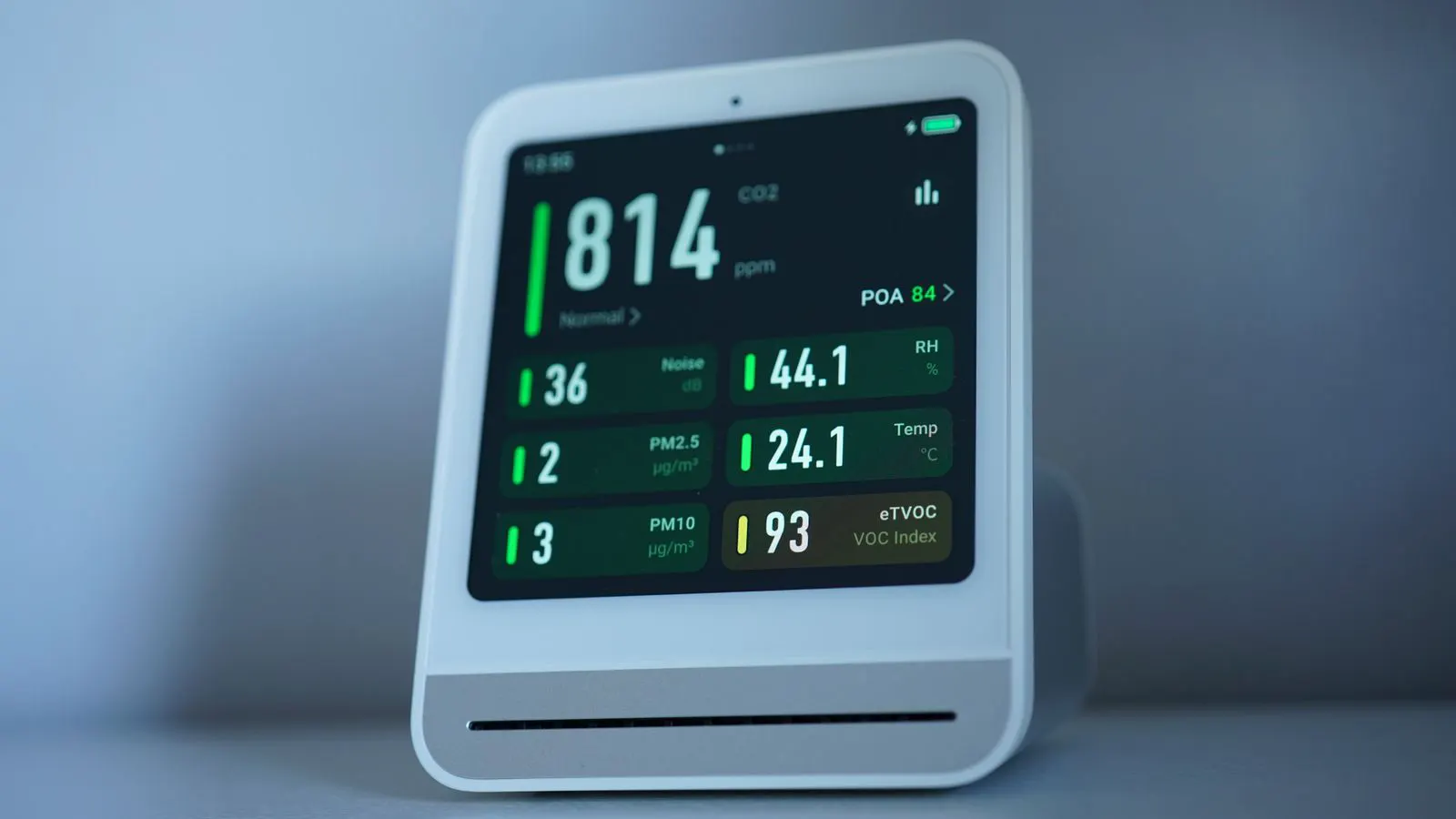
Flooring VOC limits set maximum allowable levels of chemical emissions from products. These numbers drive sourcing decisions, testing requirements, and final indoor air

The next generation of laminate flooring will focus on thicker, more chemically stable wear layers. Buyers should expect improved scratch resistance, better water

Sourcing SPC planks for retail requires balancing traffic ratings with minimum order quantities. This guide outlines how to evaluate product specs, negotiate terms, and

Lowering minimum order quantity in flooring procurement requires shifting from volume-based pricing to value-based negotiations. Procurement managers can reduce MOQs by

Use this buyers guide to evaluate engineered hardwood by checking veneer thickness, core construction, finish durability, and installation method. It provides clear

Bulk flooring purchases lower unit costs but tie up capital and require larger storage. Spot orders offer flexibility and quick delivery at a premium. The best choice

To verify SPC moisture resistance, check manufacturer moisture data sheets, require third-party test reports, and run in-house water immersion and humidity exposure

Laminate construction is defined by the specific order and material of its layers. The wear layer controls scratch resistance. The core determines stability. The back
Vinyl flooring typically refers to PVC-based products with multiple layers, while SPC uses a stone composite core for added rigidity. SPC tends to be more dimensionally stable, but vinyl offers a broader range of thickness and surface treatments. The right choice depends on the project requirements and budget.
Request copies of relevant certificates and check the issuing body. For flooring, look for documents related to formaldehyde emissions, fire performance, or chemical safety. Cross-reference the certificate number with the issuing organization where possible to confirm authenticity.
Inspect the wear layer thickness, core density, and edge sealing. Check for consistent color matching across batches and verify the lock system fit. Request sample batches before full production to confirm the specifications match the agreed standard.
MOQs determine whether you receive standard production pricing or pay for customized runs. Lower MOQs often come with higher per-unit costs, while larger orders can reduce pricing but increase storage and cash flow requirements. Factor in lead time when evaluating the trade-off.
Click-lock systems suit most residential and light commercial projects, while glue-down methods offer better stability for larger areas. Some engineered wood requires specific underlay or fastening methods. Always follow the manufacturer's installation guide for the exact product you are using.
Ask for both production time and shipping time, not just total delivery. Check if lead times are quoted in business days or calendar days and whether they include quality inspection. Request references from recent projects to verify the supplier's actual delivery performance.