Comparison: Bulk vs Spot Orders for Flooring Materials
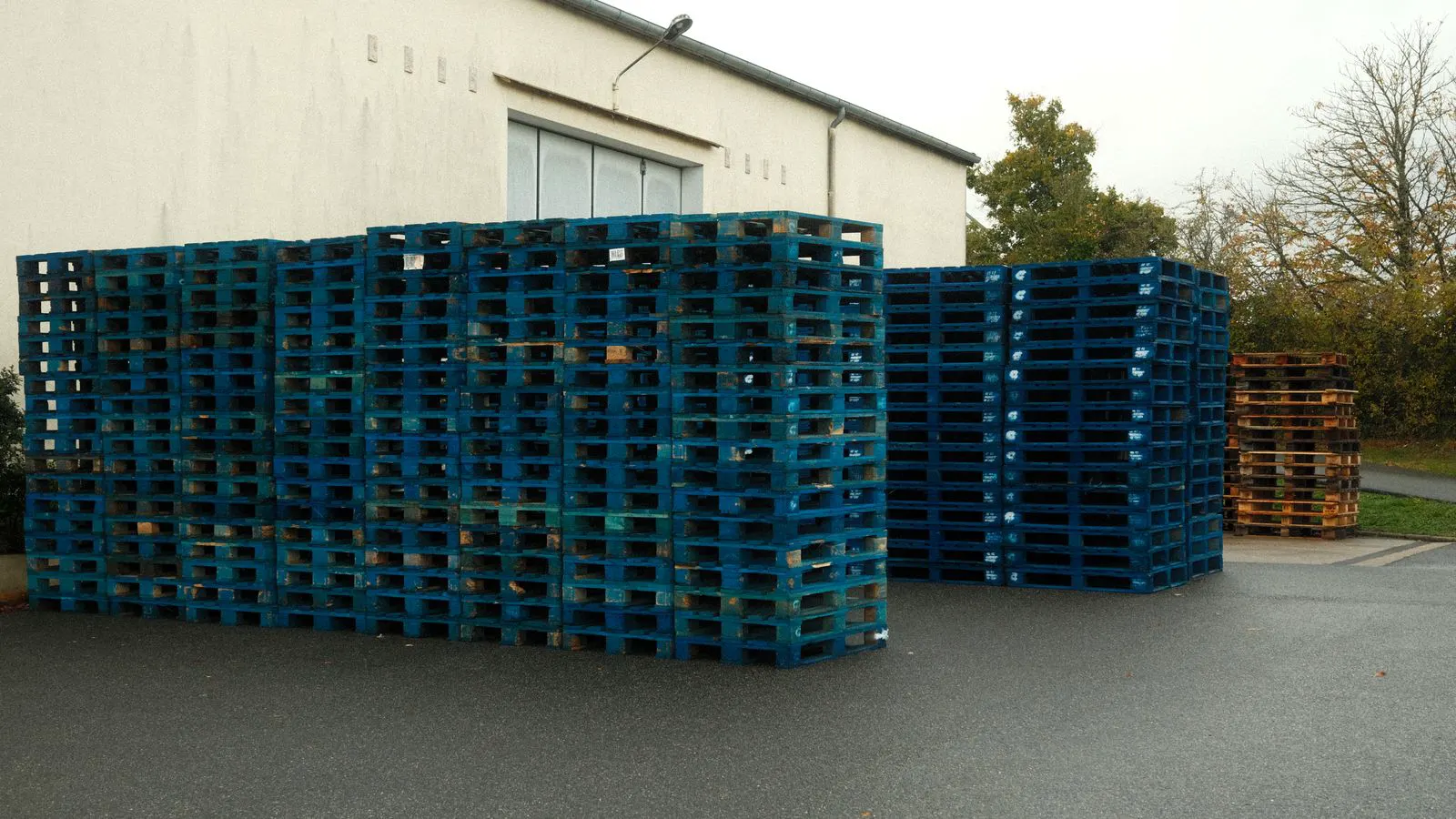
Bulk flooring purchases lower unit costs but tie up capital and require larger storage. Spot orders offer flexibility and quick delivery at a premium. The best choice depends on project scale, storage, and delivery deadlines.
- Bulk orders reduce the cost per unit but require more upfront capital and storage space.
- Spot orders provide speed and flexibility but usually carry a higher price per unit.
- Hybrid strategies allow buyers to balance cost savings with delivery flexibility.
- Storage, payment terms, and lead times shape the financial outcome more than sticker price alone.
- Confirming minimum order quantities and delivery windows before commitment avoids project delays.
What Drives the Cost Difference Between Bulk and Spot Orders
Bulk flooring purchases shift the cost structure in a buyer’s favor. Factories and distributors lower the unit price when volume is higher because production runs are longer, labor is more stable, and material procurement is more efficient. A project that orders two thousand square meters at once will generally pay less per square meter than a project that orders five hundred square meters in three separate drops.
Spot orders work differently. A buyer who needs a small quantity quickly pays a premium because the supplier must prioritize that job, handle smaller cutting patterns, and absorb the cost of a shorter production run. The premium is not a penalty. It is the price of flexibility and speed.
The decision between the two approaches is rarely about the price per square meter alone. It also involves cash flow, warehousing, and delivery logistics. A cheap bulk order that sits in a warehouse for months can cost more when storage fees, insurance, and capital interest are included. A more expensive spot order that lands on site just in time for installation can protect the project schedule.
How Pricing Comparison Works in Practice
Pricing comparison starts with the unit price, but it ends with the total landed cost. A supplier may quote a lower price for a bulk order of rigid vinyl planks, yet the buyer still needs to pay freight, insurance, and handling. The difference narrows when freight is spread over a larger quantity.
Spot orders compress the same costs into a smaller base. If a supplier charges a fixed fee for a small delivery, that fee becomes a larger percentage of the total. The unit price rises.
A simple comparison often looks like this. A bulk order of 2,000 square meters of laminate flooring might come in at a lower price per square meter than a spot order of 300 square meters. The bulk order may also include discounted freight if the quantity fills a full truckload. The spot order may be delivered by a smaller van, with a higher per-kilometer cost.
The table below shows how the two approaches compare in common scenarios.
| Option | Best for | Limitations |
|---|---|---|
| Bulk flooring orders | Large projects, multi-site rollouts, long-term storage | High upfront capital, storage needs, long lead times |
| Spot orders | Emergency repairs, small commercial spaces, phased construction | Higher unit price, limited availability, shorter production runs |
| Hybrid procurement | Mixed project sizes, seasonal demand, phased installation | More complex administration, split logistics, multiple supplier relationships |
| Pre-ordered bulk with scheduled release | Long projects with known phases | Requires accurate forecasting, storage capacity, and supplier coordination |
When to Choose Bulk Flooring
Bulk flooring makes sense when the buyer knows the project scope with confidence. If a commercial fit-out will install 5,000 square meters of carpet tile across three floors, ordering the full quantity in one production run reduces cost and standardizes the material. The buyer avoids the risk of a later delivery arriving in a slightly different shade or batch.
Storage is the main constraint. A bulk order of wood flooring needs a dry, stable environment. Moisture and temperature swings can cause cupping, warping, or color shifts. The buyer must plan for rack space, pallets, and handling. If the site is not ready to receive the full delivery, the material may sit in a warehouse for weeks or months.
Cash flow matters. Bulk orders often require a larger deposit or full payment before shipment. A spot order may allow net terms or a smaller upfront payment. For a small contractor, tying up cash in a large inventory can be a bigger risk than the unit price difference.
Lead time is another factor. Bulk production runs take longer. A supplier may need two to six weeks to complete a large order. If the installation schedule is tight, the bulk order must be placed early enough to account for production, freight, and customs if imported.
When Spot Orders Make More Sense
Spot orders fit projects where certainty is low. A hotel renovation may need 200 square meters of luxury vinyl tile for a lobby, but the design is not finalized until three weeks before installation. A spot order allows the buyer to wait for the design to be locked before committing to a large quantity.
Small commercial spaces also favor spot orders. An office fit-out that covers 800 square meters may not justify a full production run. The premium per square meter is acceptable because the total value of the order is small and the delivery is quick.
Emergency replacements are another case. If a section of flooring is damaged during construction, a spot order can deliver replacement material within a few days. A bulk order would not have been in stock for that specific batch.
Spot orders also work well when the buyer wants to test a material before scaling up. A small trial order of a new type of engineered wood can confirm color, texture, and performance in the actual space. If the results are good, the buyer can then place a larger order for the remaining area.
Hybrid Procurement Strategies
A hybrid approach combines the cost efficiency of bulk orders with the flexibility of spot orders. A buyer might reserve 70 percent of the total quantity as a bulk order and keep 30 percent as a spot order for adjustments. This protects against over-ordering while still capturing the discount on the core quantity.
Phased projects benefit from this method. A multi-phase office build might order the bulk quantity for phase one and place spot orders for phase two once the design is confirmed. The buyer avoids storing material for a long period while still negotiating better pricing on the first phase.
Hybrid procurement requires more administration. The buyer must track multiple POs, manage different delivery windows, and coordinate with the supplier on production scheduling. A single supplier relationship is easier to manage than several, but a hybrid model often uses one supplier for the bulk quantity and a local distributor for the spot quantity.
Practical Checks Before Committing
Before placing a bulk flooring order, the buyer should confirm the minimum order quantity. Some suppliers set a MOQ based on square meters, while others set it based on number of pallets or number of rolls. A small order may not qualify for the bulk price if it falls below the threshold.
Delivery terms also shape the cost. Incoterms determine who pays for freight and insurance. A DDP quote includes delivery to the site, while an FOB quote leaves the buyer responsible for shipping. The difference can be significant for large quantities.
Storage conditions must match the material. Wood flooring needs a controlled environment. Tile and stone can tolerate more variation but still need protection from moisture and impact. The buyer should confirm that the receiving area is dry, level, and secure.
Payment terms should be reviewed against cash flow. A bulk order may offer a discount for upfront payment. A spot order may allow net terms. The buyer should compare the total cost including financing, not just the invoice price.
How to Structure a Procurement Strategy
A clear procurement strategy starts with the project calendar. The buyer maps the installation dates and works backward to the required delivery date. Then the supplier lead time is added. The order date is set based on that calculation.
Next, the buyer decides on the quantity split. A large project may order 80 percent in bulk and 20 percent as spot. A small project may order 100 percent as spot. The split depends on storage, cash flow, and schedule risk.
The buyer should also plan for waste and replacements. Flooring projects need extra material for cutting, damage, and future maintenance. A bulk order can include a buffer, but a spot order can cover unexpected needs without overstocking.
Finally, the buyer documents the terms. The purchase order should list the material, color, batch, quantity, delivery date, and payment terms. A clear document reduces disputes and delays.
Common Mistakes in Ordering
One common mistake is ordering bulk based on an estimate that is too optimistic. If the project scope expands or contracts, the buyer may have too much or too little material. A spot order can fix a shortfall, but excess material is hard to sell or store.
Another mistake is underestimating storage. A bulk order of tile or wood needs floor space, racking, and protection. If the warehouse is full, the material may need to be rented in a third-party facility, adding cost.
A third mistake is ignoring batch consistency. Different production runs of the same material can vary in color or texture. Bulk orders reduce this risk by securing one run. Spot orders across multiple runs can create visible differences on site.
Final Guidance
Bulk flooring is the right choice when the project is large, the schedule is long, and the buyer has storage and cash flow. Spot orders are the right choice when the project is small, the schedule is tight, or the design is not finalized. Hybrid strategies work well when the buyer wants to balance cost and flexibility.
The best decision comes from looking at the full picture. Unit price is only one part. Lead time, storage, payment terms, and delivery logistics all affect the final cost. A well-planned order avoids surprises and keeps the project on schedule.
Frequently asked questions
When should a buyer choose bulk flooring over spot orders?
Choose bulk flooring when the project size is large, the schedule is long, and storage and cash flow are available. Bulk orders lower the unit cost and reduce batch variation.
What is the main advantage of spot orders?
Spot orders provide speed and flexibility. They are useful for small projects, phased installations, or emergency replacements.
How much does a bulk order cost more than a spot order?
A bulk order usually costs less per unit than a spot order. The total difference depends on quantity, freight, and payment terms.
Can a buyer combine bulk and spot orders?
Yes. A hybrid strategy lets a buyer order the core quantity in bulk and use spot orders for adjustments or phased work.
What should a buyer check before placing a bulk flooring order?
Check the minimum order quantity, delivery terms, storage conditions, and payment terms. Also confirm the lead time and batch consistency.