Outlook: Future Trends in Flooring Material Sourcing

Global shifts in timber supply, resin costs, and logistics will shape flooring availability. Buyers should diversify suppliers, lock in long-term agreements, and monitor regional production hubs to manage future flooring price volatility and ensure steady project delivery.
- Monitor raw material cycles and regional production shifts to anticipate cost changes in flooring price.
- Diversify supplier networks across different countries and material sources to reduce single-point failures.
- Build flexible contracts with tiered pricing and clear minimum order quantity clauses.
- Shift inventory planning toward longer lead times and earlier procurement for high-demand materials.
- Track logistics corridors and port congestion indicators that influence delivery schedules and landed costs.
How Global Timber Supply Will Shape Hardwood Costs
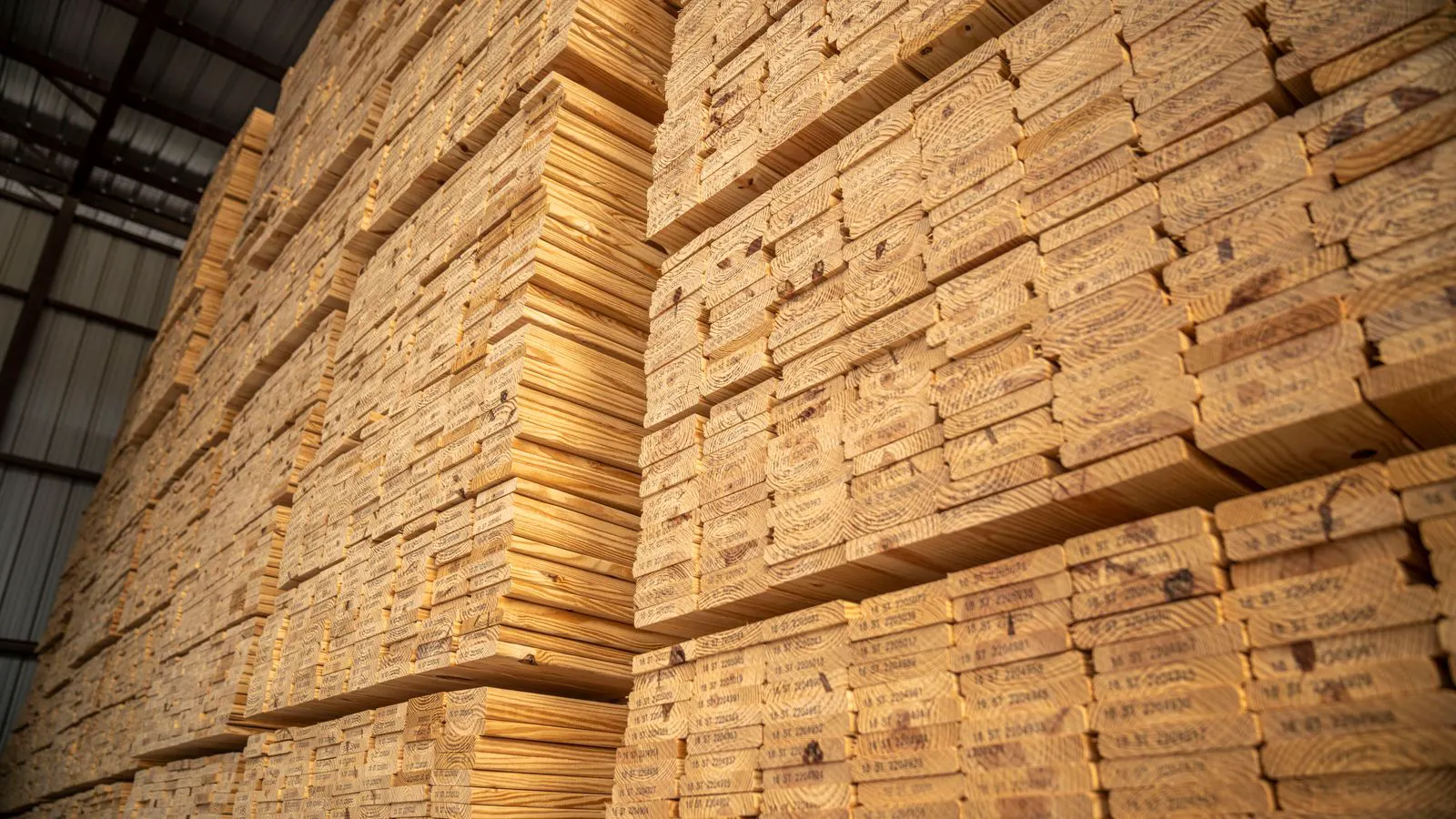
Timber availability drives the cost of engineered and solid wood flooring. Forest management policies, harvest seasons, and climate variability affect the volume of usable lumber reaching processing facilities. Buyers planning hardwood projects should watch regional production patterns rather than relying on a single source.
A supplier in one country may have ample stock of oak, while another faces a shortage. This variation creates opportunities for those who monitor multiple markets. If you source from one region, a local restriction or weather event can halt deliveries. Spreading purchases across two or three origins smooths out these disruptions.
Engineered flooring adds another layer of complexity. The core material often comes from different suppliers than the top veneer. A price increase in one component can push the finished product cost higher even if the other stays stable. Tracking the supply chain from raw board to finished plank helps identify where pressure is building.
Resin and Adhesive Costs in Engineered Products
Engineered wood and laminate products depend heavily on resins, adhesives, and plasticizers. These chemical inputs track with petroleum and natural gas markets. When fuel costs rise, resin production becomes more expensive, and that increase reaches the finished flooring price.
Laminate flooring uses similar inputs. The HPL layer and the particleboard core both require binding agents. A shift in chemical sourcing can affect both product lines. Buyers should ask suppliers how their adhesive costs are structured. Some pass through raw material increases directly, while others build a buffer into their pricing.
Understanding this structure helps with forecasting. If a supplier locks in resin contracts for six months, their price stability is higher than one that buys spot materials every week. Long-term agreements with suppliers who commit to raw material sourcing can reduce price swings for your projects.
Logistics Corridors and Delivery Times
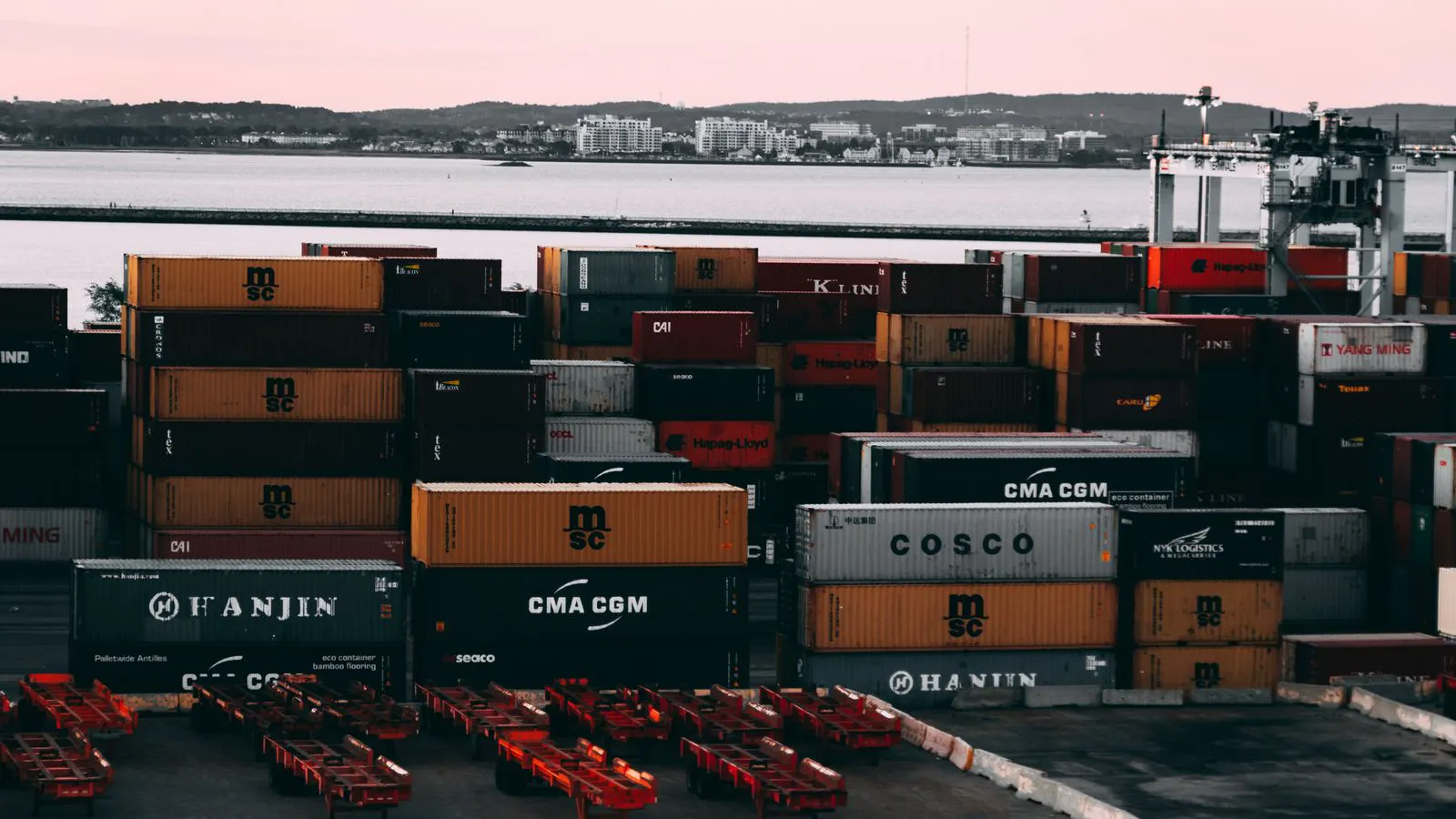
Shipping routes determine how quickly material reaches your site. Major port congestion, canal capacity limits, and regional fuel surcharges all affect landed cost. A container that sits at a port for an extra week adds demurrage charges and delays the installation schedule.
Regional production hubs are shifting. Some factories close to raw material sources are expanding capacity, while others relocate to take advantage of lower labor or energy costs. This movement changes transit times. A product that used to arrive in three weeks may take six if the factory moves farther from the port.
For commercial projects, delivery windows are tight. A two week delay can idle labor and extend the critical path. Planning for longer lead times and building buffer stock into your schedule protects the project timeline. Monitoring port traffic reports and fuel index trends gives you early warning of cost increases.
Regional Production Shifts and Capacity
Factory capacity in different regions determines how much flooring can be produced. When a major market faces trade barriers or export restrictions, production moves to other countries. This shift can create short term price spikes as new facilities ramp up.
New factories often face quality control challenges during their first year of operation. Inspection reports and sample approvals matter more in the early months. A lower price from a new supplier may come with higher defect rates or inconsistent dimensions.
Established suppliers with multi year track records offer more predictability. Their production lines are tuned, their QA processes are documented, and their logistics networks are proven. For high specification projects, the premium for stability often outweighs the savings from a cheaper, newer source.
Raw Material Fluctuations and Flooring Price
Raw material costs move in cycles. Timber harvests peak in certain seasons. Resin inputs follow energy markets. Plasticizers for vinyl flooring track with petrochemical output. These cycles mean that flooring price rarely stays flat for long.
Buyers who time their purchases to align with harvest seasons or off peak energy periods can capture better pricing. For example, purchasing hardwood after the main harvest season often yields better inventory levels and competitive quotes. Similarly, buying vinyl products when petrochemical markets are in a down phase can reduce the base cost.
The Explainer: How Raw Material Fluctuations Impact Flooring Cost section on this site breaks down specific material chains. For general planning, treat raw material cycles as a baseline variable. Build a price buffer into your budget that accounts for a standard range of fluctuation rather than assuming a flat rate.
How to Prepare for Supply Chain Shifts
Diversifying your supplier base is the first practical step. Maintain qualified suppliers in at least two regions for each major material. This does not mean split orders equally. It means having a backup source ready if the primary supplier faces a shortage or quality issue.
Contract terms matter. Look for agreements that include clear minimum order quantity definitions, price adjustment mechanisms, and delivery penalties. A vague contract that says “best effort” delivery offers no protection. Specific dates and measurable outcomes create accountability.
Inventory strategy needs adjustment. The era of just in time delivery for critical materials is ending. Holding a small buffer stock of high risk items protects against sudden disruptions. For wood flooring, storing a few pallets of common specifications can cover a minor delay without stopping the project.
What to Monitor in the Coming Months
Market outlook planning requires regular checks, not annual reviews. Monitor timber harvest reports from major producing countries. Track resin and adhesive price indices. Follow logistics reports on major trade routes. These signals give you early warning of cost changes.
Supplier communication is equally important. Ask your main vendors about their raw material sourcing plans. Inquire about their capacity expansion projects. Check if they are exploring new regions for input materials. Their answers reveal their risk exposure and your potential exposure to their supply chain.
The Checklist: Verifying Minimum Order Quantities for Commercial Vinyl article on this site provides specific verification steps. Apply the same rigor to all flooring categories. Know your minimums, your pricing tiers, and your delivery commitments before you sign a purchase order.
Building a Resilient Sourcing Strategy
A resilient sourcing strategy combines multiple approaches. Diversify suppliers to spread risk. Lock in long term agreements for stable materials. Maintain buffer stock for high risk items. Monitor market signals and adjust purchasing accordingly.
The Cost and Lead Time for Bulk Wood Flooring Imports guide discusses specific import challenges. Apply those lessons to your sourcing plan. Factor in customs clearance times, inspection requirements, and documentation needs. Each of these adds to the total cost and the total lead time.
By treating sourcing as a continuous planning process rather than a one time purchase event, you reduce the impact of market shifts. The flooring price will move. Availability will fluctuate. Your preparation determines whether those changes cause a project delay or simply a minor budget adjustment.
Practical Steps for the Next Quarter
Start by mapping your current supplier network. Identify single points of failure. If you have only one source for a key material, qualify a second source this quarter. Request samples and run a small trial order before committing to volume.
Review your contracts with existing suppliers. Check the pricing clauses and delivery terms. If the terms are too loose, negotiate tighter language for the next contract cycle. Be specific about what happens when raw material costs change and how delivery delays are handled.
Adjust your project timelines. Add buffer to your critical path for long lead time materials. Schedule procurement earlier than you did last year. The market has shifted, and the old timing assumptions no longer apply. Plan for the conditions you expect, not the conditions that existed in the past.
Frequently asked questions
How do global trade policies affect flooring price?
Trade policies can restrict imports or add tariffs, which directly increase the cost of materials reaching your site. They can also shift production to new regions, changing lead times and quality consistency.
Should I buy flooring in bulk to lock in prices?
Bulk purchases can lock in pricing, but they require more storage space and tie up capital. For high risk materials, a partial bulk purchase plus a smaller buffer stock offers better flexibility than a full lock in.
What is the best way to qualify a new flooring supplier?
Request samples, inspect a small trial order, and verify their quality control documentation. Check their capacity, their raw material sourcing, and their logistics track record before committing to a long term agreement.
How long should I expect lead times for imported flooring?
Lead times vary by material and origin. Wood flooring from distant regions often takes longer than locally produced vinyl. Factor in ocean transit, customs processing, and inland transport when setting your delivery schedule.
Do resin costs affect solid wood flooring?
Resin costs primarily affect engineered and laminate products. Solid wood uses minimal adhesive, but the finish and sealing agents can still be influenced by chemical input prices.