Cost and Lead Time for Bulk Wood Flooring Imports
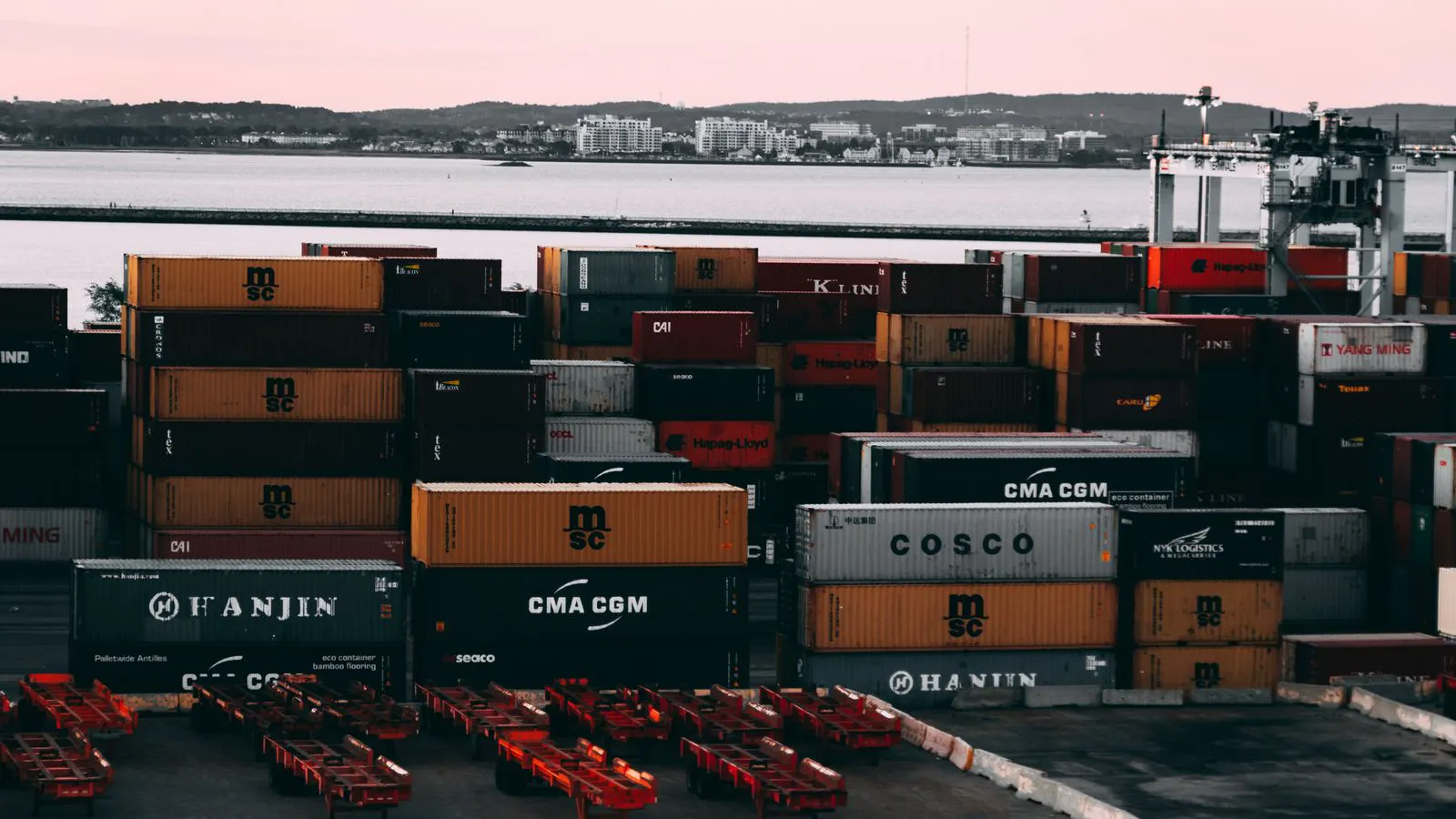
Bulk flooring costs depend on species, grade, freight, and minimum order quantities. Lead times vary by region, port, and customs. A clear RFQ and standardized quote comparison reduce risk and keep delivery schedules realistic for commercial projects.
- Bulk flooring pricing shifts with raw material volatility, freight rates, and minimum order quantity requirements.
- Lead times are driven by production capacity, port congestion, customs clearance, and inland transport.
- Use a standardized RFQ template so suppliers quote the same scope, grade, and delivery terms.
- Compare total landed cost, not just per square meter, to evaluate suppliers fairly.
- Build buffer days into the schedule for inspections, documentation, and weather delays.
What Drives the Cost of Bulk Flooring
The price of bulk flooring starts with the material itself. Species, grade, and source region set the baseline. Hardwood from stable supply regions often commands a higher price than engineered panels, but the gap narrows when raw material fluctuation hits supply. Softwood options can swing in value based on harvest cycles, while tropical species face stricter documentation and certification costs.
Understanding the source region requires more than checking the species name. A supplier might quote teak from Indonesia and teak from Vietnam at different rates, even if the grade appears identical. The difference stems from the distance to the nearest port, the local export regulations, and the seasonal availability of the crop. For buyers, this means the origin must be stated in the request for quotation, not just the species name.
Grade matters as much as species. A supplier may offer the same oak in two finishes. One is site-ready with a sealed top coat and pre-drilled fastening channels. The other is raw, requiring on-site sanding and finishing. The raw version looks cheaper per unit, but the installed cost rises once labor and consumables are added. A raw board often includes a lower cost for the wood, but the buyer must budget for sanding abrasives, polyurethane or oil, and the time of the finishing crew.
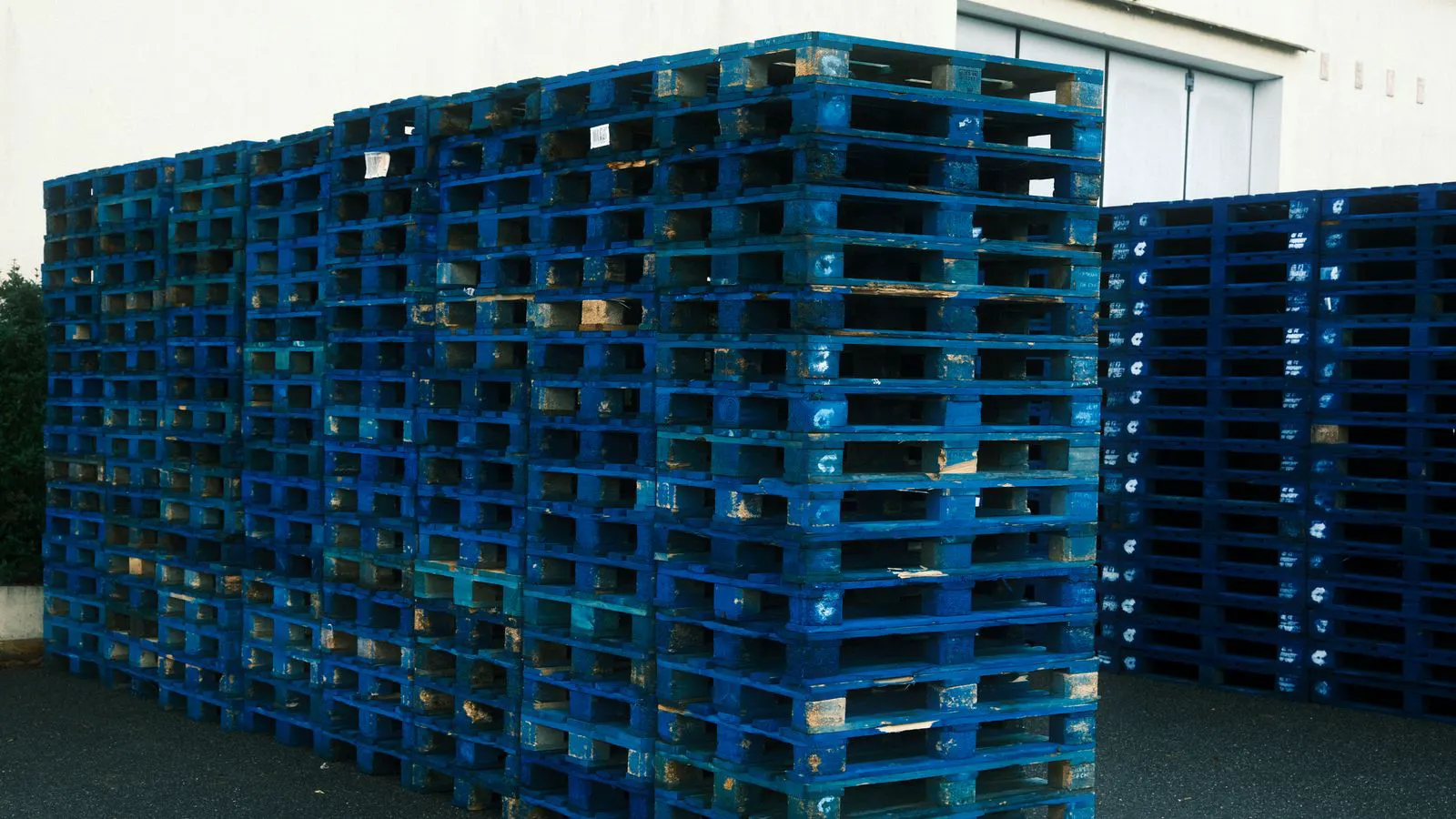
Minimum order quantity changes the unit price. Most mills and export houses set a floor for containers or pallets. If the project size sits below that floor, the buyer often pays a premium or absorbs a partial container cost. For commercial buyers, the sweet spot usually lands around one full container, where freight per square meter drops and the supplier commits to a tighter tolerance. A partial container order might save on material waste, but the freight cost per square meter can double, erasing the savings quickly.
How Lead Times Work for Wood Flooring Imports
Lead time is the total elapsed time between the signed purchase order and the moment the goods are ready at the site. It is not just the shipping duration. A typical route includes production, internal quality checks, export customs, ocean or air freight, import customs, inland transport, and final inspection. Each stage adds days.
Production lead time depends on the supplier’s queue. During peak seasonal demand, mills may book out six to eight weeks ahead. For engineered wood, the cycle is shorter because the core is often stock and the face veneer is applied in a final assembly step. For solid planks, the cycle is longer because the boards need drying, grading, and cutting to length. A solid wood order often involves a drying phase that takes weeks, depending on the moisture content of the raw stock. If the supplier has already dried the boards, the production time is shorter, but the buyer must verify that the stock is available and not reserved for another customer.
Freight mode sets a hard floor. Air freight clears customs quickly but costs far more per kilogram. Ocean freight is cheaper and takes weeks. For a large order, the difference in freight cost per square meter can be the deciding factor. If the project schedule cannot absorb a six-week ocean leg, the buyer pays a premium for faster transport. The premium is not just the freight difference. It often includes handling fees and expedited customs clearance fees.
The internal quality check stage is often underestimated. After production, the boards are sorted by color and defect. This sorting process can take days. If the buyer requests a specific color range, the sorting becomes more complex and time-consuming. A supplier might quote a standard lead time but add days if the color matching is tight.
How to Write a Clear RFQ
A vague RFQ invites vague quotes. The buyer sends a scope that lists the product name and a target size. The supplier responds with a price that assumes a standard grade, a local port, and a fixed delivery date. The two documents do not match, and the negotiation stalls.
The RFQ should specify the full scope. Name the species and grade. State the dimensions, including width, thickness, and length tolerance. List the finish, whether it is site-applied or factory-applied. State the quantity in square meters and the required delivery date. Name the destination port and the requested Incoterm.
Including the specific finish type prevents a common error. A factory-applied finish protects the surface during shipping and reduces on-site dust and fumes. It also locks in the color and gloss level. A site-applied finish allows the buyer to match the existing floor in a renovation project. However, it requires skilled labor and a controlled environment. The RFQ must state which method is required, as the price difference can be significant.
Include the compliance documents. For hardwood imports, the buyer needs a certificate of origin, a fumigation certificate if the material is solid wood, and any required environmental or sustainability paperwork. Listing these upfront prevents the supplier from adding fees later. A missing fumigation certificate can hold a container at the port for days, adding storage fees and delaying the installation schedule.
The delivery terms matter. If the supplier quotes FOB, the buyer controls the outbound freight and insurance. If the quote is DDP, the supplier handles everything to the door. The price difference is not always obvious, but the risk allocation is. A DDP quote looks higher, but it removes the buyer’s burden for customs clearance and inland haulage. For a buyer without local logistics experience, DDP reduces the risk of clearance delays.
A Table of Cost Drivers
The table below lists the main variables that move the price and delivery schedule for bulk flooring. Use it as a checklist when reviewing quotes.
| Cost Driver | What It Affects | Typical Variance |
|---|---|---|
| Species and grade | Material cost and availability | High. Tropical hardwoods and premium grades cost more than standard softwood or engineered panels. |
| Minimum order quantity | Unit price and freight efficiency | Medium. Partial container orders raise the per-square-meter cost. |
| Freight mode | Delivery time and transport cost | High. Air freight costs more but moves goods faster than ocean freight. |
| Incoterm | Risk and hidden costs | Medium. DDP shifts customs and inland risk to the supplier, raising the quoted price. |
| Raw material volatility | Baseline price | High. Market swings in timber supply can shift quotes within a single month. |
| Compliance and certification | Clearance time and fees | Low to medium. Missing documents cause delays at the border, not direct price increases. |
How to Compare Quotes Fairly
Suppliers quote on different bases. One gives a price per square meter for the material only. Another quotes a landed cost that includes freight and insurance. A third quotes a project price that includes installation. Comparing these side by side without normalization leads to the wrong supplier being chosen.
Normalize the quotes to a common basis. Ask every supplier to quote the same scope: the same species, the same grade, the same dimensions, the same finish, and the same Incoterm. If a supplier cannot match the scope, note the difference. If the supplier offers a different grade, ask for the price difference in writing.
Look at the total landed cost. This includes the material, the freight, the insurance, the import duties, the local transport, and any required certification fees. A low unit price can disappear once freight and duties are added. For a large order, the freight share is usually a significant portion of the total. A supplier in a distant region might offer a lower material price, but the freight cost to the destination port can outweigh the savings.
Check the delivery promise. A quote that promises a fast delivery date without a production slot is a risk. Ask for the confirmed production start date. If the supplier cannot confirm a start date, the lead time is an estimate, not a commitment. A confirmed slot includes the production date and the shipping date. Without it, the buyer is exposed to supply chain delays.
Managing Risk in Bulk Flooring Purchases
The biggest risk in bulk flooring is a mismatch between the quoted material and the delivered material. The buyer receives a container of boards that are a shade different from the sample. The project is already scheduled, and the delay is measured in weeks, not days.
Mitigate this risk with a pre-shipment inspection. Hire a third-party inspector to check the goods at the factory or the export port. The inspector verifies the species, the grade, the dimensions, and the finish against the RFQ. The report goes to the buyer before the goods move. This step catches defects, wrong species, or incorrect dimensions before the freight is paid.
Build buffer time into the schedule. A six-week ocean freight leg can stretch to eight weeks if a port is congested or if a document is rejected. A two-week buffer covers the common delays. It also absorbs the time needed for final quality checks at the destination. The buffer should be built into the installation schedule, not just the delivery date. If the installation crew is booked for a specific week, the buffer must cover the gap between delivery and start.
Keep a backup supplier. If the primary supplier cannot confirm a production slot, the backup can step in. The backup may be more expensive, but the project continues. For critical commercial projects, the cost of a delay is usually higher than the cost of a higher-priced backup supplier. The backup supplier should be identified during the RFQ stage, not after the primary supplier fails to deliver.
Final Notes for Buyers
The cost of bulk flooring is a system, not a single number. The material price, the freight, the compliance, and the delivery terms all feed into the final budget. The buyer who controls the RFQ and the comparison process controls the outcome.
Write the RFQ to force a clear scope. Compare quotes on the same basis. Verify the production slot. Build buffer time. These steps do not remove risk, but they make the risk visible and manageable.
Frequently asked questions
Can I order a partial container of wood flooring?
Yes, but the unit price rises. A partial container means the freight cost is spread over fewer square meters, which increases the per-unit cost. Some suppliers also set a minimum pallet count that must be met.
How long does ocean freight take for wood flooring?
Ocean freight varies by origin and destination. A typical route takes several weeks. The supplier should provide a confirmed production start date and a transit estimate, not just a vague delivery window.
What is the difference between FOB and DDP in this context?
FOB means the supplier delivers the goods to the ship, and the buyer handles the rest. DDP means the supplier handles everything to the destination door. The DDP price is higher, but the buyer's risk is lower.
How do raw material fluctuations affect my quote?
They can change the baseline price quickly. If timber supply tightens, the material cost rises. A quote that is valid for a short window may become outdated if the market moves.
What documents do I need for import clearance?
The buyer typically needs a commercial invoice, a packing list, a bill of lading, a certificate of origin, and a fumigation certificate for solid wood. The exact list depends on the destination country and the species.