Troubleshooting: Faded SPC Planks After UV Exposure
Faded SPC planks usually result from UV exposure degrading the wear layer or top vinyl. Diagnose the issue by checking wear layer thickness and pigment stability. Prevention includes UV-filtering window films, proper acclimatization, and selecting higher quality UV-resistant planks.
- Faded SPC planks typically indicate wear layer or top vinyl degradation from prolonged UV exposure.
- Check the wear layer thickness and pigment stability to determine if the fading is surface-level or core-affected.
- Prevention requires UV-filtering window films, strategic rug placement, and selecting planks with proven UV resistance.
- Regular cleaning with pH-neutral products helps maintain the integrity of the wear layer against sun damage.
Identifying the Fading Pattern
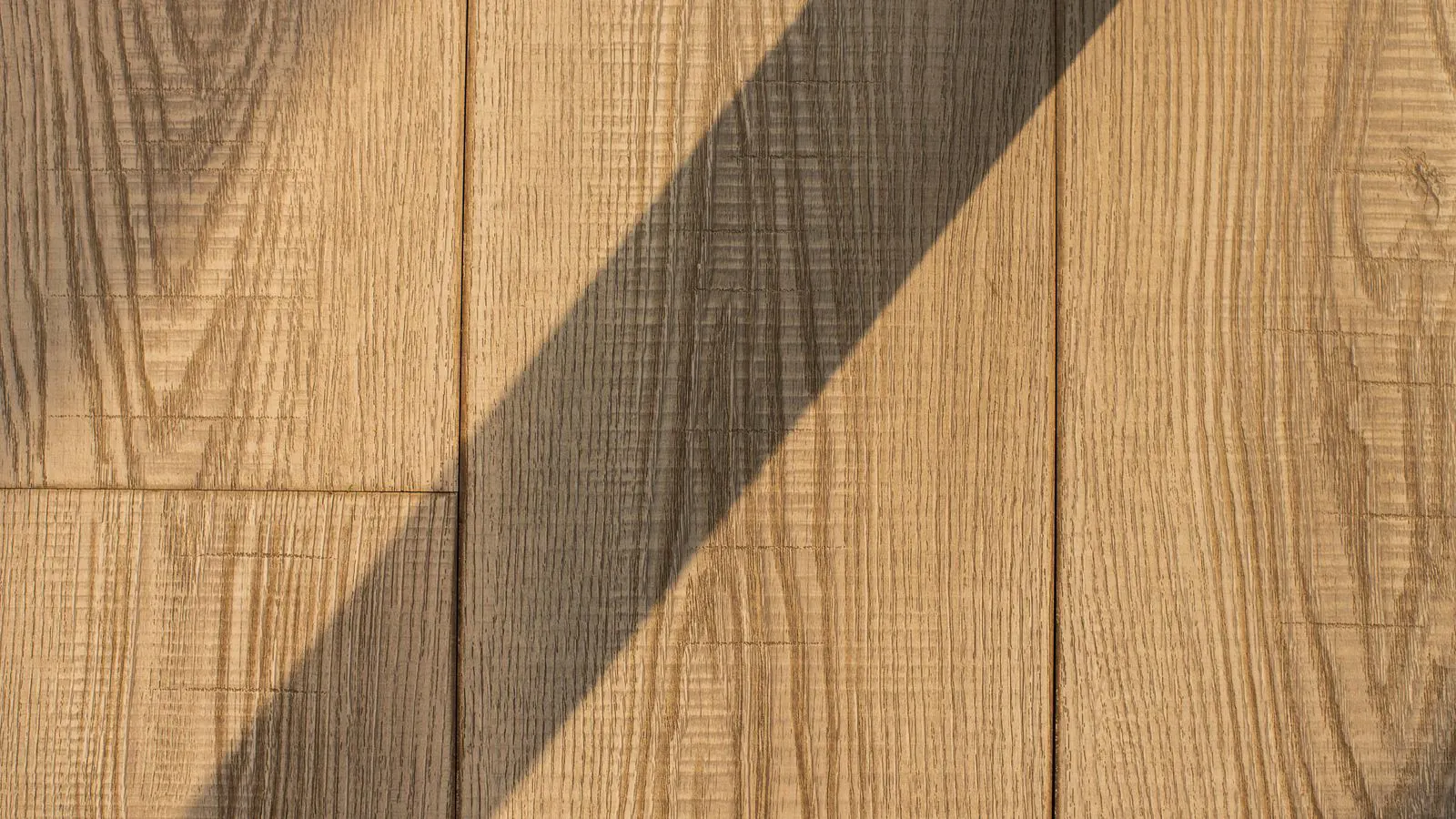
Faded SPC planks rarely fade evenly across a room. Sunlight creates distinct patterns that help pinpoint the cause. Look for color loss along the southern or western walls where direct sun hits the floor for hours. A common symptom is a gradient effect where the planks closest to the window appear lighter, while those in the shadow retain their original color. If the fading is uniform across the entire visible area, check for changes in lighting fixtures or window films. UV light from old fluorescent tubes or high-CRI LED panels can also cause gradual color shift, though sunlight is the most frequent culprit.
The pattern matters. If the fade follows the wood grain direction, the pigment in the top layer is breaking down. If the fade is blotchy or speckled, moisture or cleaning chemicals may be interacting with the UV damage. Inspect the wear layer first. SPC planks have a clear top layer that protects the printed image. If the wear layer is thin or scratched, UV penetrates deeper and damages the printed layer beneath.
Checking the Wear Layer
The wear layer is the first defense against UV degradation. Most SPC planks use a PVC or PET-based wear layer, with thickness varying by product grade. Thicker wear layers generally resist UV penetration better, but the quality of the UV stabilizers added during manufacturing matters more than thickness alone. Check the product documentation for wear layer specifications. If the planks are from a low-cost import, the wear layer may lack proper UV inhibitors, leading to faster color shift.
To test the wear layer, hold a UV flashlight near the faded area. If the color appears brighter under UV light, the surface layer has absorbed UV radiation. This confirms the wear layer is compromised. If the color remains unchanged under UV light but appears faded to the naked eye, the issue may be in the printed layer or the core material. The core itself is usually not visible through the top layer, so core degradation is less common in fading issues.
Common Causes of Color Shift
Several factors accelerate UV damage in SPC flooring. Direct sunlight is the primary driver, but temperature fluctuations and cleaning products play supporting roles. High temperatures increase the rate of chemical breakdown in the PVC wear layer. If the room gets hot near windows, the wear layer softens slightly, allowing UV to penetrate faster. Cleaning products with alkaline pH or abrasive particles can micro-scratch the wear layer, creating entry points for UV damage.
Another common cause is poor quality control in the printed layer. If the ink or pigment in the SPC planks lacks UV stability, the color will fade faster than expected. This is more common in budget products where cost-cutting reduces the amount of UV-resistant pigments. Check for color consistency between planks. If some planks fade faster than others, the issue may be batch variation rather than a product-wide defect.
Troubleshooting Table
Use this table to match symptoms with likely causes and immediate actions.
| Symptom | Likely cause | What to do |
|---|---|---|
| Uniform lightening near windows | Prolonged direct UV exposure | Apply UV-filtering window film or install blinds |
| Blotchy or speckled fading | Micro-scratches in wear layer from cleaning | Stop using abrasive cleaners; assess wear layer thickness |
| Fading along wood grain direction | Pigment breakdown in top layer | Check product specs for UV stabilizer content |
| Uneven fading between planks | Batch variation or poor quality control | Document planks; contact supplier for replacement |
| Darkening or yellowing in shaded areas | Heat buildup or off-gassing from nearby materials | Improve ventilation; check adjacent wall or ceiling materials |
If the symptom matches multiple rows, the issue is likely compounded. For example, direct sunlight combined with harsh cleaning can accelerate fading beyond what either factor would cause alone.
Prevention Strategies
Prevention is cheaper than replacement. Start with window treatments. UV-filtering window films block most UV radiation without significantly reducing daylight. Install films on windows that receive direct sun during peak hours. For south- or west-facing windows, choose films with high UV rejection ratings. Blinds and curtains help, but they must be closed during peak sun hours to be effective. Leave a small gap at the top and bottom, and ensure they cover the full window height.
Second, control temperature near windows. Use fans or air conditioning to keep the area cool during summer months. Heat accelerates UV degradation in the wear layer. If the room temperature exceeds a comfortable range for extended periods, consider adding a small fan to circulate air near the window.
Third, choose the right cleaning method. Use a pH-neutral cleaner specifically designed for SPC or vinyl flooring. Avoid ammonia-based products, bleach, or abrasive scrub pads. Mop with a damp cloth, not a soaking-wet mop. Excess moisture can seep into the subfloor or the SPC core, but the primary concern for UV prevention is keeping the wear layer free of chemical damage.
Selecting UV-Resistant Planks
When replacing or specifying new SPC planks, look for products with documented UV resistance. Check the manufacturer’s technical data sheet for wear layer thickness and UV stabilizer content. Higher-end products often include multiple layers of UV inhibitors in the wear layer. Ask the supplier for third-party test reports if available. These reports confirm the product’s resistance to UV exposure under controlled conditions.
Consider the color of the planks. Darker colors absorb more UV energy, which can accelerate fading. Lighter colors may show less visible fading, but they can still lose saturation. If you are in a high-sun environment, choose colors with proven UV stability rather than relying on the initial appearance. Request samples and expose them to direct sun for several weeks before making a final decision.
Finally, verify the supplier’s quality control processes. Check if the supplier conducts incoming inspection for wear layer thickness and pigment consistency. A reliable supplier will provide batch documentation and will stand behind the product if fading occurs under normal use conditions. If the supplier cannot provide this information, consider a different source.
When to Replace or Refinish
If the fading is severe and affects a large area, replacement may be the only option. SPC planks cannot be refinished like hardwood. The wear layer and printed layer are bonded to the core, so you cannot strip and recoat the surface. If only a small section is faded, you can replace those planks. Match the color and wear layer thickness of the replacement planks to the existing floor. This can be difficult if the original product is discontinued, so keep a spare plank from the initial installation if possible.
If the fading is cosmetic and the floor is still structurally sound, you may choose to live with the color shift. Many homeowners and commercial spaces accept some degree of fading as a natural outcome of sun exposure. However, if the fading creates a tripping hazard or makes the floor difficult to clean, replacement is the safer choice.
Supplier Verification and Documentation
When selecting a supplier for SPC planks, verify their quality control processes. Ask for documentation on wear layer thickness, UV stabilizer content, and pigment consistency. A reputable supplier will provide technical data sheets and third-party test reports. If the supplier cannot provide these documents, it is a red flag. Check the supplier’s reputation for handling complaints about color shift. A supplier that takes responsibility for product defects is more likely to provide quality goods.
During installation, acclimatize the planks to the room temperature and humidity for at least 48 hours. This helps reduce expansion and contraction, which can create gaps that allow dust and moisture to accumulate. While acclimatization does not prevent UV fading, it ensures the planks are in their optimal state before exposure to sunlight.
Keep a record of the installation date, product batch numbers, and any window treatments installed. This documentation will help if you need to file a warranty claim or compare product performance over time. If the fading occurs within the warranty period, the supplier should be able to identify the cause and provide a solution.
Monitoring and Maintenance
Monitor the floor regularly, especially in the first year of installation. Check for changes in color near windows every few months. If you notice early signs of fading, take action immediately. Apply UV-filtering window films or adjust blinds to reduce sun exposure. Regular maintenance also helps. Sweep or vacuum the floor weekly to remove abrasive dust particles. Mop with a damp cloth and pH-neutral cleaner every two weeks. This keeps the wear layer clean and reduces the risk of micro-scratches that can accelerate UV damage.
If you have a commercial space with high foot traffic, increase the cleaning frequency. Heavy traffic can wear down the wear layer, making it more vulnerable to UV exposure. Use a floor buffer with a soft pad for regular cleaning, but avoid aggressive scrubbing. The goal is to maintain the wear layer’s integrity without compromising its surface.
Frequently asked questions
Can faded SPC planks be repaired?
No, SPC planks cannot be refinished because the wear layer and printed layer are bonded to the core. You can replace the faded planks, but matching the color and wear layer thickness to the existing floor can be difficult.
How do I know if my SPC planks have UV resistance?
Check the manufacturer's technical data sheet for wear layer thickness and UV stabilizer content. Higher-end products often include multiple layers of UV inhibitors. Ask the supplier for third-party test reports if available.
What type of window film blocks UV light?
UV-filtering window films block most UV radiation without significantly reducing daylight. Look for films with high UV rejection ratings, especially for south- or west-facing windows.
Can dark colors fade faster than light colors?
Yes, darker colors absorb more UV energy, which can accelerate fading. Lighter colors may show less visible fading, but they can still lose saturation over time.
How long should I acclimatize SPC planks before installation?
Acclimatize the planks to the room temperature and humidity for at least 48 hours. This helps reduce expansion and contraction, which can create gaps that allow dust and moisture to accumulate.