Future Outlook: How Wear Layers Are Evolving in LVT
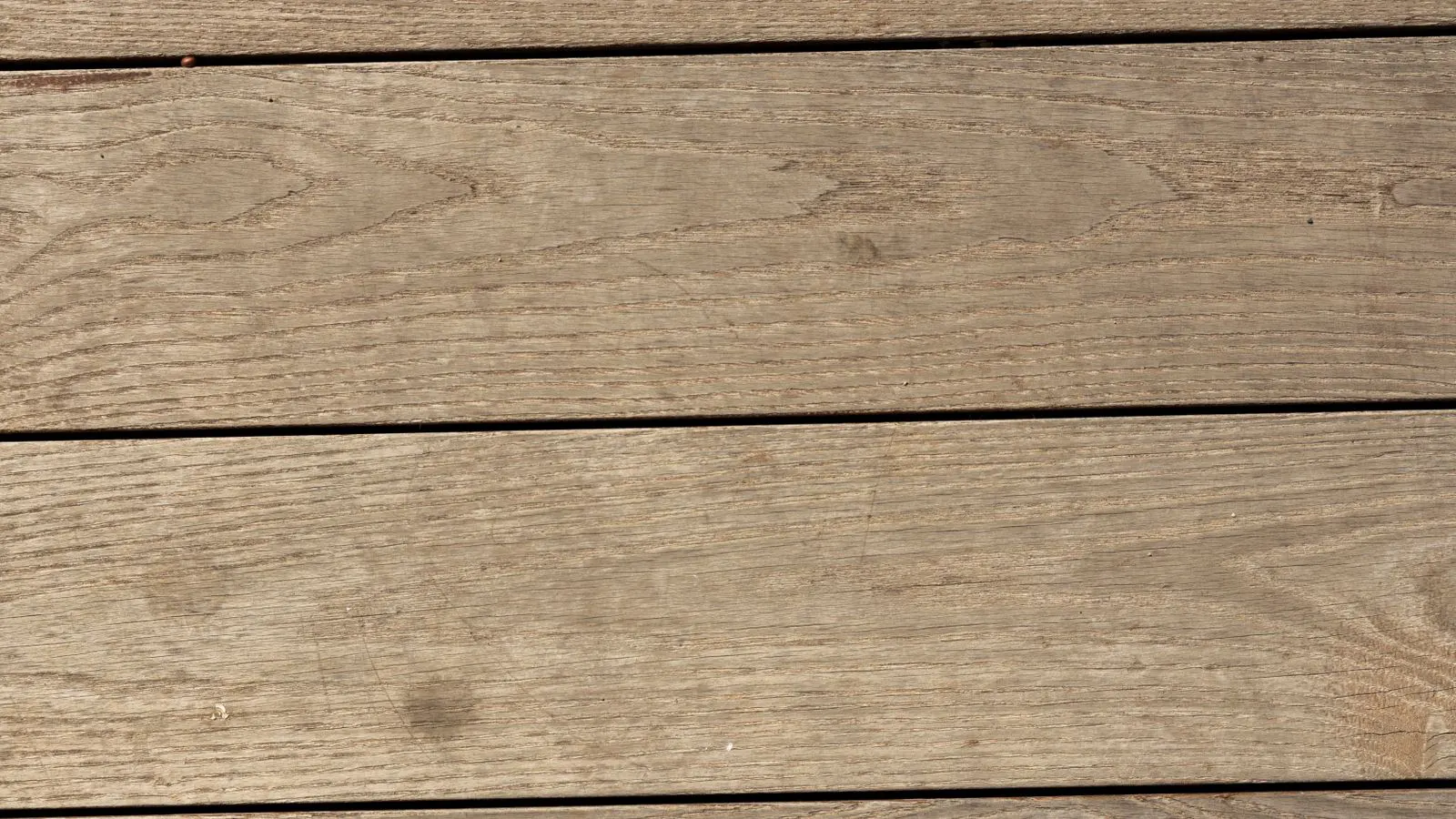
Wear layers are shifting toward thicker, more chemically stable coatings that resist heat, stains, and abrasion. This evolution changes how buyers evaluate supplier capabilities, warranty terms, and the total cost of ownership for luxury vinyl planks over time.
- Wear layer thickness is moving past the traditional 12 to 20 microns to support heavier commercial traffic.
- UV stability and color retention are becoming primary specification points for exposed flooring.
- Buyers should request batch consistency data and third-party abrasion reports, not just marketing sheets.
- Repairability is emerging as a key decision factor, favoring wear layers that can be spot-replaced.
- Supplier communication about chemical changes in wear layers is as important as the physical product.
The shift in wear layer thickness
The wear layer is the visible, working surface of a luxury vinyl plank. It is the part that takes the traffic, the water, and the cleaning. For years, the industry settled on a narrow band of thickness, typically between 12 and 20 microns. This band worked well for residential spaces and light commercial areas. It matched the price points buyers expected and the performance levels projects required.
That balance is changing. Manufacturers are increasing the thickness of the top coat, often moving into the 30 to 60 micron range for commercial lines. This change is not just about marketing. It is a physical response to the reality of modern building use.
Thicker wear layers change how the flooring behaves under load. They distribute pressure from furniture legs and high-rolling furniture more evenly. They also resist the localized grooving that often appears in thinner coatings. When a 15 micron layer wears down in a high-traffic path, the floor looks worn even if the core is still intact. A thicker layer allows that wear to happen more gradually, keeping the surface uniform for a longer period.
Buyers need to understand that thickness alone does not guarantee performance. A 40 micron layer with poor adhesion can fail faster than a well-bonded 20 micron layer. The quality of the bonding process is as important as the depth of the coating. During supplier evaluation, ask about the coating process. Is it a direct print or a separate top coat? How is the wear layer applied? Is it a single pass or multiple passes? These details determine the consistency of the final surface.
The move to thicker wear layers also affects the cost structure. A thicker coating uses more material and longer curing time. This increases the production cost per square meter. Buyers should expect that premium wear layer options will carry a price premium. This is not a temporary trend. It is a structural change in how manufacturers price their products.
The rise of UV stability in surface coatings
Color stability has become a major concern for buyers who install flooring in areas with direct or indirect sunlight. UV exposure causes vinyl surfaces to fade, yellow, or shift in hue over time. This is a chemical reaction, not just surface dirt. The top layer of the wear layer degrades when exposed to ultraviolet light.
Manufacturers are responding by incorporating UV stabilizers into the wear layer formulation. These additives absorb or reflect the UV energy before it reaches the base resin. The result is a surface that holds its color profile longer. For luxury vinyl planks, this is a significant improvement. It allows designers to use darker tones and more complex color patterns without fearing rapid degradation.
This shift changes the way specifications are written. Instead of just asking for a color match, buyers are now including UV resistance in their requirements. They are asking for data on color retention after exposure to specific light levels. They are also requesting samples that have been aged in accelerated UV chambers.
The practical impact is clear. If a project is in a south-facing atrium or a hospital corridor with large windows, the choice of wear layer is critical. A standard residential grade coating will not perform well in that environment. A commercial grade coating with UV stabilizers will. Buyers should not assume that all wear layers are created equal. They need to match the coating type to the light exposure of the specific space.
The cost of this improvement is also notable. UV stabilized coatings cost more to produce. They require more precise chemical blending and quality control. Buyers should budget for this. It is not a luxury add-on. It is a performance requirement for many modern spaces.
How abrasion resistance is being redefined
Abrasion resistance is the most common metric used to compare wear layers. It measures how many cycles a floor can withstand before the surface wears through. The standard test involves rubbing a specific weight of abrasive material across the surface and counting the number of cycles before a line appears.
The challenge with traditional abrasion testing is that it does not always reflect real-world use. Real traffic is not uniform. It involves point loads, sliding, and impact. A floor might pass a standard abrasion test but fail when a heavy trolley with casters rolls across it. This is where the definition of abrasion resistance is expanding.
Manufacturers are now testing for “point impact” and “scratch resistance” in addition to standard abrasion. They are using harder test weights and more aggressive test patterns. Some are testing for “grit resistance,” which simulates the fine sand and dust that accumulate on floors in urban environments.
Buyers should look beyond the single number on the data sheet. A high abrasion rating is good, but it is not the whole story. Ask the supplier about their testing protocols. Do they test for scratch resistance? Do they test for point impact? Do they test the wear layer in combination with the core material? A wear layer that is highly abrasion resistant but poor in scratch resistance can still show visible damage from a dropped key or a heavy tool.
The redefinition of abrasion resistance is also affecting supplier selection. Buyers are moving away from relying on a single certification body. They are asking for independent testing reports. They are requesting to see the test methods, not just the results. This is a sign of a maturing market. Buyers are becoming more sophisticated in their evaluation of wear layer performance.
The impact of chemical changes on maintenance
Wear layers are not just physical barriers. They are chemical surfaces. The formulation of the top coat affects how the floor interacts with cleaning agents, stains, and environmental factors. A change in the wear layer chemistry can make or break the long-term maintenance of a floor.
Manufacturers are moving toward wear layers that are more resistant to common cleaning chemicals. This includes alkaline cleaners, acidic disinfectants, and solvent-based products. The goal is to create a surface that can be cleaned aggressively without being damaged. This is particularly important in healthcare, food service, and hospitality environments where disinfection is a daily requirement.
The shift is also toward “self-healing” or “resilient” wear layers. These are coatings that have a higher molecular density, which makes them less likely to absorb stains. When a liquid spills on the floor, it sits on top of the wear layer instead of soaking into it. This makes cleaning easier and reduces the risk of permanent staining.
Buyers should be cautious about claims of “self-healing” or “stain-proof” without evidence. These terms are often used loosely. A wear layer may be highly resistant to stains, but no surface is completely immune. The key is to understand the level of resistance. Ask the supplier to demonstrate the cleaning process with their own products. Do not rely on verbal assurances.
The chemical composition of the wear layer also affects the floor’s interaction with the environment. Some wear layers are more prone to “plasticizer migration,” where softening agents leach out of the material over time. This can cause the surface to become sticky or change in color. Modern formulations are moving away from problematic plasticizers. Buyers should ask about the plasticizer package and request safety data sheets for the wear layer.
Repairability and the move toward modular systems
A major shift in wear layer design is the focus on repairability. Traditional luxury vinyl planks are often difficult to repair. If a section is damaged, the entire plank may need to be replaced. This is expensive and disruptive.
Newer wear layers are designed to be spot-repairable. This is achieved through a few methods. One is the use of a “top-up” coating that can be applied directly to a damaged area. Another is the design of the wear layer itself, which allows for precise cutting and replacement of small sections. Some manufacturers are developing wear layers that have a “cure” property, meaning they can be repaired with a compatible adhesive or coating.
This shift is particularly important for commercial projects. In a commercial environment, floors are subject to constant damage. A repairable wear layer reduces downtime and maintenance costs. It allows facility managers to address minor damage immediately, preventing it from spreading.
Buyers should evaluate suppliers based on their repair programs. Do they offer a repair kit? Do they provide training on how to repair the floor? Do they guarantee the repair? A supplier that offers a comprehensive repair program is showing a commitment to long-term performance. This is a strong indicator of quality and customer support.
How to prepare your supplier selection process
The evolution of wear layers is changing the way buyers should select suppliers. The old method of relying on a single data sheet and a price quote is no longer sufficient. Buyers need a more rigorous evaluation process.
The first step is to define the performance requirements for the specific project. What is the traffic level? What is the light exposure? What are the cleaning requirements? What is the expected lifespan? These answers will determine the type of wear layer needed.
The second step is to request detailed technical data. Do not just ask for the thickness. Ask for the abrasion rating, UV resistance, scratch resistance, and chemical resistance. Request third-party testing reports. Look for independent certifications.
The third step is to evaluate the supplier’s manufacturing process. Ask about the coating application process. How is the wear layer applied? How is it cured? What quality control checks are performed? A supplier with a transparent and well-documented process is more likely to deliver consistent results.
The fourth step is to assess the supplier’s support structure. Do they offer training? Do they have a repair program? Do they provide technical support? A supplier that supports the product after installation is a partner, not just a vendor.
The fifth step is to pilot the product. Before committing to a large area, install a small sample area. Use it for a defined period. Test the cleaning process. Observe the wear. This real-world test is the best indicator of long-term performance.
The bottom line for project planning
The evolution of wear layers is a significant trend for the flooring industry. It is moving the market toward higher performance, longer durability, and better maintenance. Buyers who understand these changes will be better positioned to make informed decisions.
The key takeaway is that the wear layer is no longer just a cosmetic finish. It is a critical performance component. The thickness, chemistry, and formulation of the wear layer determine how the floor will age, how it will be maintained, and how it will perform under real-world conditions.
By focusing on these factors, buyers can ensure that their flooring investments will deliver value over time. They can avoid the pitfalls of low-performance wear layers that fail prematurely. They can select suppliers that are committed to long-term quality. This is the future of luxury vinyl planks. It is a future built on performance, durability, and smart selection.
Frequently asked questions
What is the minimum wear layer thickness for commercial LVT?
There is no single standard, but many commercial specifications now look for 30 microns or more. Thinner layers may be suitable for light traffic, but they are less durable for heavy use.
How do I know if a wear layer has good UV resistance?
Ask the supplier for UV testing data and sample performance in accelerated aging chambers. Request samples that have been exposed to direct sunlight for a defined period.
Can a thin wear layer be repaired?
Yes, but it is more difficult. Thinner layers are more prone to wear and damage, which makes spot repair less effective. Thicker wear layers are generally easier to repair.
What is the difference between a wear layer and a top coat?
A wear layer is the final surface that protects the floor. A top coat is a protective layer applied over the print. In many modern products, the wear layer and top coat are combined into a single, thicker layer.
How long does a high-quality wear layer last?
This depends on traffic, maintenance, and environmental conditions. A well-chosen wear layer for a commercial space can last many years. Always specify based on the expected use.