What Is Engineered Wood Flooring Structure
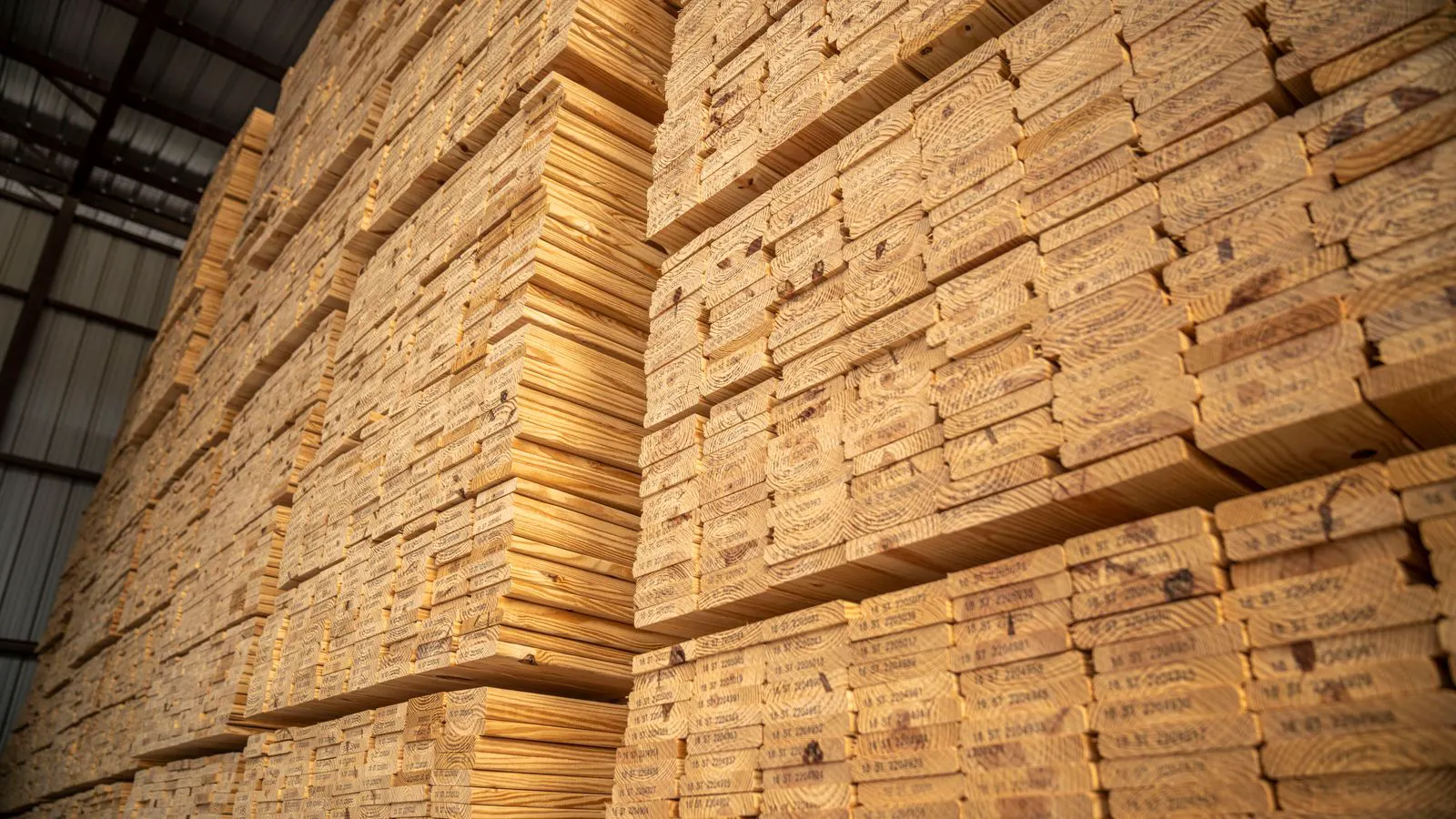
Engineered wood flooring is built in layers. The top is a real wood veneer, while the core consists of cross-laminated or plywood pieces. This structure provides stability and allows for different core materials and thicknesses.
- Engineered wood flooring uses a multi-layer construction to improve dimensional stability over solid wood.
- The top layer is a thin veneer of real wood, while the core can be plywood or cross-laminated panels.
- Layer thickness and bonding methods directly affect the floor's lifespan, moisture resistance, and cost.
- The core material and veneer grade are the primary factors in sourcing decisions for performance and aesthetics.
Engineered wood flooring differs from solid wood in how the material is constructed. Instead of a single piece of lumber, the board is built from multiple layers bonded together. This layered structure is what gives the product its specific name. The main purpose of these layers is to control how the wood moves with changes in humidity.
What is the basic structure of the board
The standard engineered wood board has three main zones. The top zone is the wear layer. The middle zone is the core. The bottom zone is often a backing layer. The wear layer is where the visible grain and finish live. It is usually a thin slice of real hardwood. The core is what holds the board together and resists bending. The backing layer protects the bottom and adds rigidity.
The thickness of each zone determines the board’s behavior. A thicker wear layer allows for more refinishing cycles. A thicker core makes the board stiffer but often more expensive. The balance between these three zones is the main engineering task for manufacturers.
How the veneer layer affects performance
The veneer is the visible face of the floor. It is milled from a log and sanded to a precise thickness. Typically, this layer measures between one and three millimeters. Thinner veneers are cheaper and allow for wider boards, but they limit the number of times you can sand and refinish the surface. Thicker veneers cost more but offer a longer service life.
When sourcing this material, the species and grade of the veneer matter most. Oak veneer is common for its durability and grain clarity. Maple and walnut are popular for their hardness and color. The grade depends on how the log is cut and how much of the board has visible grain. A high-grade veneer shows the full face of the wood. A lower-grade veneer may show more of the wood’s inner parts or contain small knots.
The finish on the veneer is also critical. It is usually a UV-cured polyurethane or a water-based coating. This layer protects the wood from scratches and moisture. The number of coats and the type of resin used determine the hardness and wear resistance of the floor.
The role of the core layers
The core is the structural heart of the board. It is made from wood or wood-based materials. The most common type is plywood. Plywood is made from thin sheets of wood glued together in alternating directions. This cross-grain pattern cancels out the natural expansion and contraction of the wood. Another common core is cross-laminated veneer, or CLV. This is similar to plywood but uses thinner veneers and a different lamination process.
The core provides stiffness and resistance to moisture. It also keeps the top veneer from cupping or warping. A high-quality core uses dense, stable wood species like birch or beech. The glue used in the core must be waterproof or water-resistant. This prevents the board from swelling if it gets wet.
The thickness of the core is usually between nine and twelve millimeters. A thicker core makes the floor stronger and less likely to bounce underfoot. However, it also increases the cost of the material.
How bonding methods work
The layers are held together using adhesives. The most common glue is a urea-formaldehyde resin. This glue is strong and provides good initial adhesion. It is the standard for indoor floors. For areas with higher moisture exposure, manufacturers use phenol-formaldehyde or polyurethane-based adhesives. These are more resistant to water and heat.
The bonding process happens in a high-temperature press. The veneers and core sheets are stacked and clamped. Heat and pressure cure the glue and bond the layers tightly. The quality of this bond is the difference between a floor that lasts decades and one that peels apart. Poor bonding leads to delamination, where the layers separate.
A worked example of layer composition
Imagine a floor for a busy commercial hallway. The project requires a floor that can handle heavy foot traffic and occasional spills. The engineer chooses a twelve-millimeter thick board. The top layer is a two-millimeter thick oak veneer. This thickness allows for at least two sanding and refinishing cycles over the floor’s life. The core is a ten-millimeter thick plywood panel made from birch. This provides high stiffness and moisture resistance. The bottom layer is a one-millimeter thick plywood backing. The glue used is a water-resistant urea-formaldehyde resin. The final board is finished with three coats of UV-cured polyurethane. This specific combination balances cost, durability, and ease of maintenance for the heavy use case.
Common mistakes in layer selection
Buyers often focus only on the price per square meter. This leads to choosing a board with a thin veneer and a weak core. The initial cost is low, but the floor will wear out quickly and may need replacement. Another mistake is ignoring the backing layer. A thin backing can make the board less stable on uneven subfloors.
Sourcing decisions should start with the core material. The core determines the stability. The veneer determines the look and the service life. The finish determines the maintenance requirements. Ignoring any of these layers creates problems later.
How structure impacts sourcing
When you source engineered wood flooring, the structure is the primary spec sheet. You need to know the thickness of each layer. You need to know the species of the veneer and the core. You need to know the type of glue used. These details define the performance of the floor.
A high-performance floor for a home or office will have a thick veneer and a dense core. A budget floor may have a thin veneer and a softer core. The structure also dictates the width of the boards. Wider boards are more stable with a thicker core. Narrow boards can work with a thinner core.
The table below shows how different core types and veneer thicknesses affect performance and cost.
| Component | Common Variation | Performance Impact | Cost Impact |
|---|---|---|---|
| Veneer Thickness | 1mm to 3mm | Thicker allows more refinishing | Higher cost for thicker veneer |
| Core Material | Plywood or CLV | Cross-grain cores resist warping | Plywood is generally cheaper than CLV |
| Core Thickness | 8mm to 12mm | Thicker cores are more rigid | Higher cost for thicker cores |
| Glue Type | Urea or Polyurethane | Water-resistant glues prevent swelling | Premium glues cost more |
| Finish Coats | 2 to 4 coats | More coats increase scratch resistance | More coats increase labor cost |
How to evaluate a board on site
When you receive a sample, check the edges. The layers should be distinct and tightly bonded. Look for any gaps or delamination. The veneer should be smooth and free of bubbles. The core should be dense and uniform. If the board feels soft or spongy, the core may be of poor quality.
The edge profile is also important. A square edge is standard. A beveled edge is a stylistic choice. The profile does not affect structure, but it affects how the boards fit together. The sample should also show the finish clearly. Look for a consistent color and gloss level. Any variation in the finish indicates poor application.
Conclusion
The structure of engineered wood flooring is a system of layers working together. The veneer provides the aesthetic. The core provides the stability. The backing provides protection. The glue and finish protect the layers from wear and moisture. When you understand this structure, you can make better sourcing decisions. You can match the board to the use case and the budget. You can avoid common mistakes and ensure a long-lasting installation. The layers are not just parts of the board. They are the entire engineering solution.
Frequently asked questions
What is the difference between plywood and cross-laminated veneer cores?
Both are cross-grain structures that resist warping. Plywood uses thicker sheets of wood, while cross-laminated veneer uses thinner veneers. Plywood is often cheaper, while cross-laminated veneer can offer higher uniformity.
Can I refinish an engineered wood floor?
Yes, but only as many times as the veneer thickness allows. A thin veneer may only support one or two refinishing cycles. A thicker veneer supports more.
How thick should the core be?
A standard core thickness is between nine and twelve millimeters. Thicker cores provide more stiffness and stability for wider boards or heavy traffic areas.
What is the best glue for engineered wood?
For indoor floors, urea-formaldehyde is standard. For areas with higher moisture, polyurethane or water-resistant urea-formaldehyde is preferred to prevent swelling.
Does the backing layer affect the floor's performance?
Yes. A quality backing layer adds rigidity and protects the core from moisture below. It also helps the floor perform better on uneven subfloors.